chuangzhen@capping-machine.net

EN


chuangzhen@capping-machine.net
EN
A rotary cap compression moulding machine is used in plastic packaging production where bottle caps need to be produced in large and continuous volumes. The equipment is built around a rotating system that keeps different forming stages running at the same time. From a distance, it may look like a simple circular motion, but in real operation, each position on the machine has its own role, and everything works together in a repeating cycle that continues for long periods.
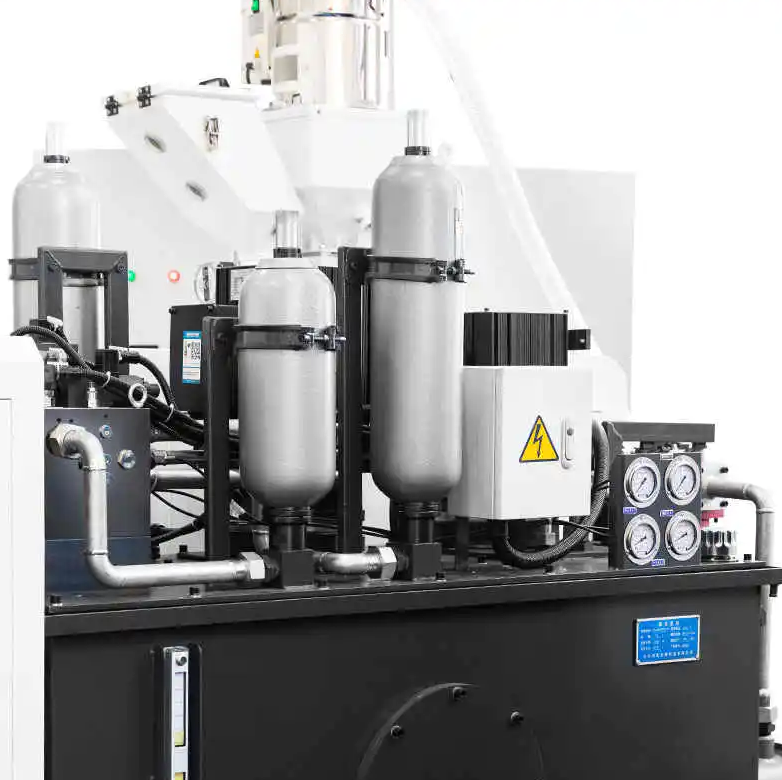
In actual factory use, what matters is not how the machine looks or how fast it can run in theory, but whether it can keep output stable without frequent adjustment. That is usually where rotary compression systems gain attention.
At the beginning, plastic material is prepared and placed into small cavities positioned around a rotating disc. These cavities are measured in advance, so each one holds a similar amount of material before forming starts. At this stage, nothing is shaped yet in a final sense. The material is simply positioned and ready to enter the working cycle.
Once the rotation starts, the disc begins moving at a steady pace. Each cavity travels through different zones of the machine, and each zone performs a specific step. The interesting part is that the process does not stop between steps. It continues flowing in a loop, so preparation, shaping, and finishing all happen while the machine keeps moving. This continuous motion is one of the reasons the system can support long production runs with fewer interruptions.
The rotating structure is really the backbone of the entire process. Instead of separating each step into different machines or stopping between operations, everything is arranged in a circular path. As the platform turns, each section of the circle performs a different function in sequence.
One area receives material, another begins forming, another continues shaping under controlled pressure, and another completes the final structure before the product is released. Because all these steps are placed along a continuous loop, the machine never fully resets. It simply keeps moving forward, cycle after cycle, in a predictable pattern.
This design helps reduce idle time between stages. It also makes the production flow feel smoother, especially during long operating hours where stability becomes more important than short bursts of output.
The shaping process does not happen in a single instant. Once the material enters the mould cavity, it slowly changes form as it moves through different positions on the rotating disc. At first, the material is still loose and unformed, but as it progresses, pressure begins to guide it into the shape of a cap.
The pressure is not applied all at once. It is distributed gradually as the cavity moves from one stage to the next. This gradual approach allows the material to settle naturally inside the mould instead of being forced abruptly into shape. As a result, the structure becomes more even, and the final form develops step by step rather than through a single strong impact.
Since every cavity follows the same route, each cap experiences similar conditions during production. Over time, this repetition helps maintain a more consistent output across large batches.
Stability in a rotary cap compression moulding machine comes from balance between several working elements rather than a single control point. The material must stay in a suitable condition while moving through the system. The forming areas need to apply pressure evenly. Timing between each stage must stay aligned with the rotation so that every step happens at the right moment.
When these elements work together smoothly, the machine tends to feel steady in operation. There are fewer sudden changes in behavior, and the production flow remains predictable. If something becomes slightly off balance, it usually shows up gradually in output consistency or movement smoothness rather than as an immediate breakdown.
In real production environments, this kind of stability is often valued because it reduces unexpected interruptions during long running schedules.
| Stage in cycle | What is happening during operation | Practical effect in production |
|---|---|---|
| Material loading | Plastic is placed into rotating cavities | Starts the production cycle in a controlled way |
| Entry into rotation | Cavities begin moving through the system | Process becomes continuous rather than segmented |
| Initial forming | Material begins adjusting to cavity shape | Structure starts becoming stable |
| Compression shaping | Pressure refines the cap form | Improves uniformity across units |
| Final release | Finished caps exit the system | Cycle repeats without stopping |
A major advantage of this machine design is that it avoids constant start‑stop cycles. Once it's up and running, the whole unit spins non‑stop at a constant speed. While one section molds a plastic cap, another part is already prepping the next piece, and a third area releases finished products all at the same time.
This overlapping working structure creates an uninterrupted production stream. There's no downtime between individual processing steps, cutting idle periods and keeping output steady. For real‑world factory operations, this smooth running style is simpler to manage, as it minimizes unexpected disruptions during long‑hour production shifts.
Uniform quality is one big reason this method is widely used for packaging cap manufacturing. Even though plastic caps are small parts, tiny differences in shape or structure can affect how well they fit and seal bottles and containers. That's why consistent quality is far more important than it might appear.
Every mold cavity moves along the same rotating path under identical forming conditions, so finished caps have very little variation. The slow, gradual molding process also evens out internal differences in the plastic material. When producing large‑volume batches, this results in steady, reliable output.
In actual packaging workflows, this level of consistency makes later‑stage filling and sealing run much more smoothly, since all caps perform evenly during assembly.
Plastic material does not respond instantly when force is applied. It needs time and controlled pressure to settle into shape properly. In this system, compression is applied in stages rather than in one sudden action. As the cavity moves through the rotation, pressure gradually increases and guides the material into form.
This slower transformation allows the material to adjust naturally within the mould space. Internal stress is reduced compared to more abrupt forming methods, and the final structure tends to be more balanced. The shaping process feels less like forcing and more like controlled guidance through movement.
Rotary cap compression moulding machines are designed around repetition. Once the cycle is established, every rotation follows a similar path, and multiple stages operate at the same time. This overlapping structure allows production to continue without full stops between cycles.
Because the process is continuous, output remains steady over long periods. Operators usually focus on monitoring rather than constant adjustment, which helps maintain a more stable production rhythm. As long as conditions remain within a normal range, the system can continue running with minimal interruption.
Maintenance in this type of system is generally based on routine observation rather than sudden reaction. Since the machine operates in a repetitive cycle, wear tends to appear gradually over time. This makes it easier to notice small changes before they become larger issues.
Typical maintenance attention includes movement smoothness, alignment between components, and the condition of forming areas. These checks are usually carried out during scheduled downtime. Because the operation is stable, maintenance tasks often follow a predictable pattern instead of unexpected repairs.
In packaging environments, stability and repeatability are often more important than short-term speed increases. Downstream processes like filling, sealing, and labeling depend on consistent component quality. Any variation in cap structure can affect those later steps.
A rotary cap compression moulding machine fits well into this kind of production environment because it focuses on steady output rather than fluctuating performance. It supports continuous production while maintaining a relatively uniform product flow, which helps keep the entire packaging line balanced.
When assessing this type of machine, attention is often given to how smoothly the rotation runs over time and how consistent the output remains across batches. Another practical factor is how easily the system integrates into existing production setups without requiring major adjustments.
In real use, long-term behavior is usually more important than short-term performance descriptions. Stability, repeatability, and ease of operation tend to define how suitable the machine is for continuous production environments.
A rotary cap compression moulding machine works through continuous rotation, staged shaping, and synchronized operation across multiple positions. Its main value lies in maintaining steady production flow over time, where consistency and stability become more important than short bursts of output variation.

Copyright © Taizhou Chuangzhen Machinery Manufacturing Co., Ltd. All Rights Reserved.

 中文简体
中文简体 русский
 Español
 عربى
عربى
